If you need heavy duty towing services in Black River Falls, WI, knowing what to expect before you call can save you time and stress on the side of the road. Whether your semi has broken down on Interstate 94 near Jackson County or your RV has gone down on a rural route, heavy duty towing is a specialized process with its own equipment, dispatch steps, and preparation requirements. This guide walks you through what "heavy duty" actually means, how the process unfolds from your first call to final recovery, and what you should have ready when you pick up the phone.
What Qualifies as Heavy Duty Towing?
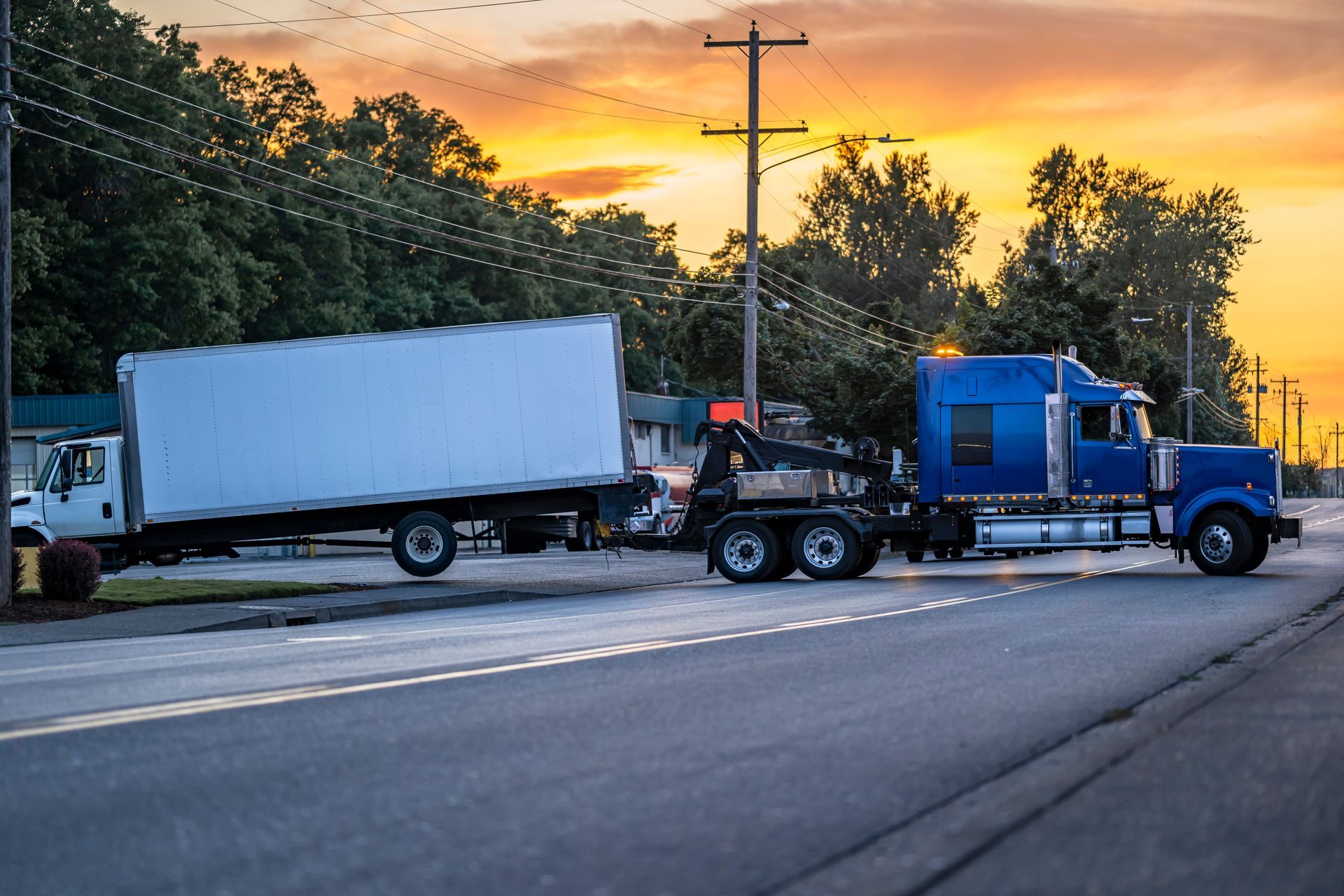
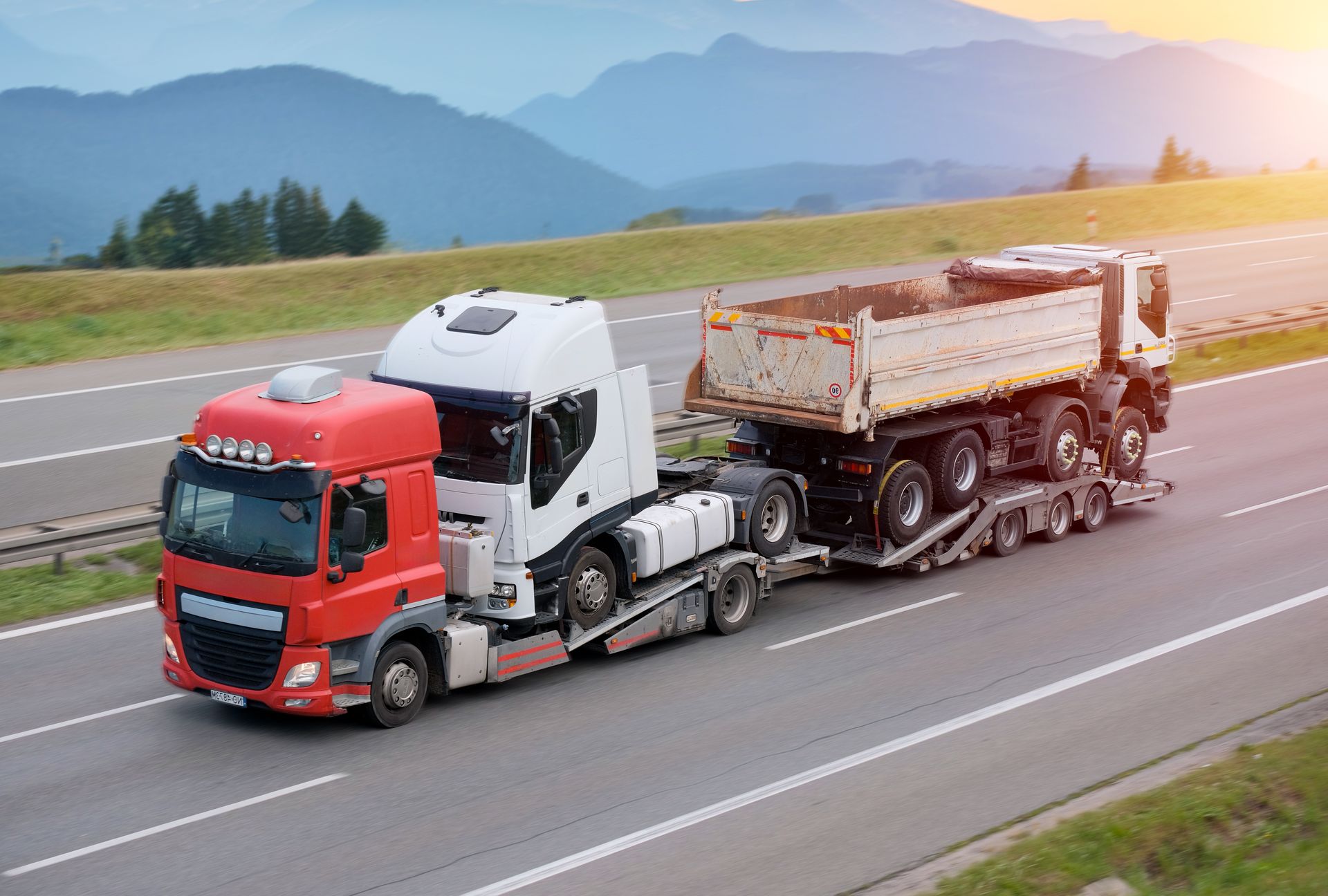
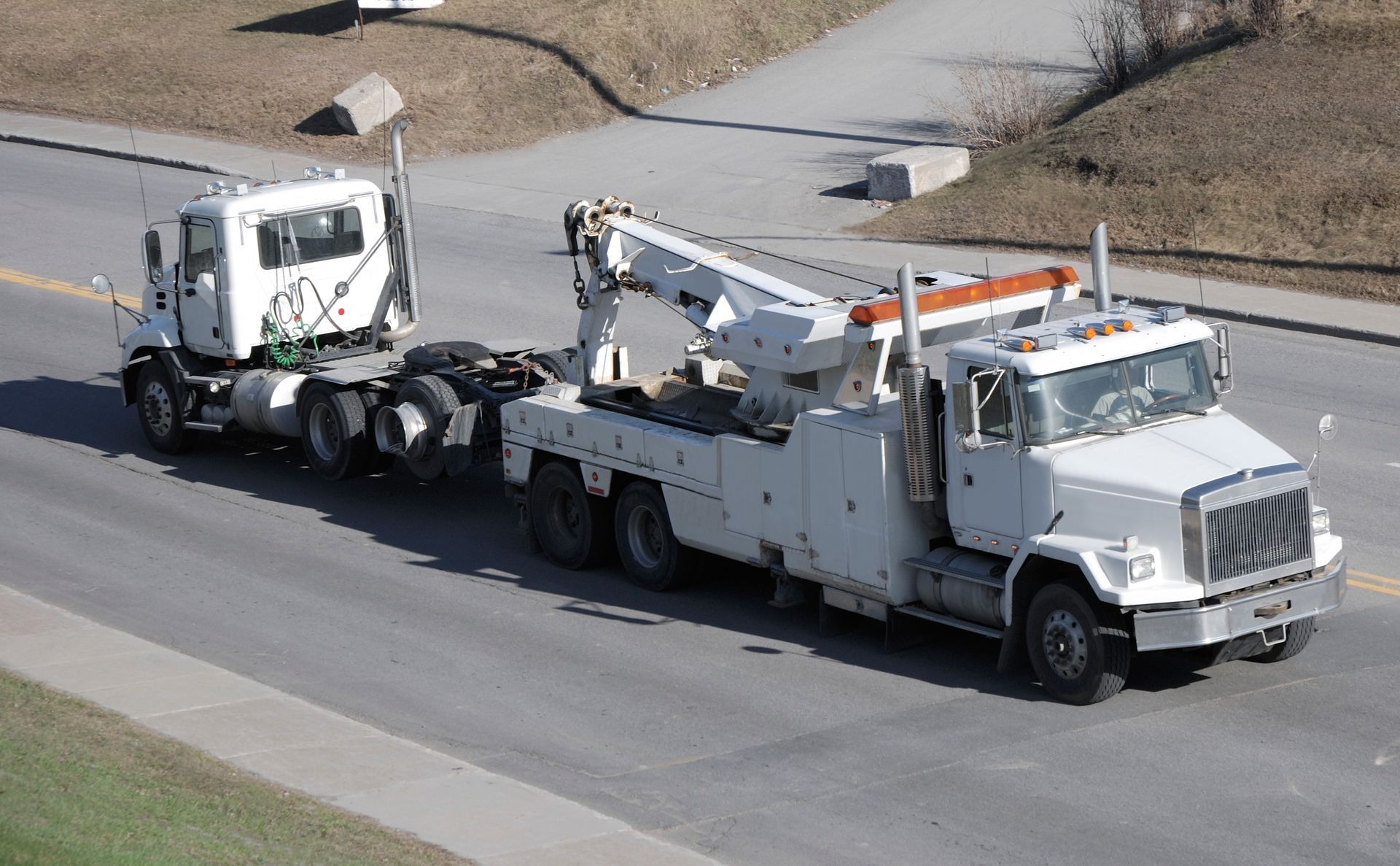
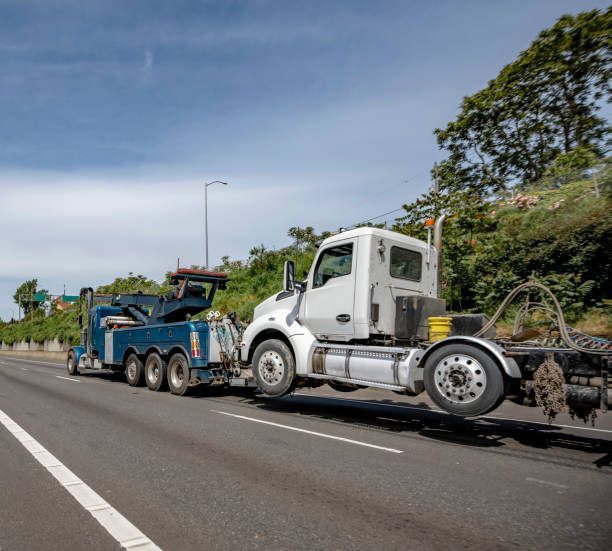
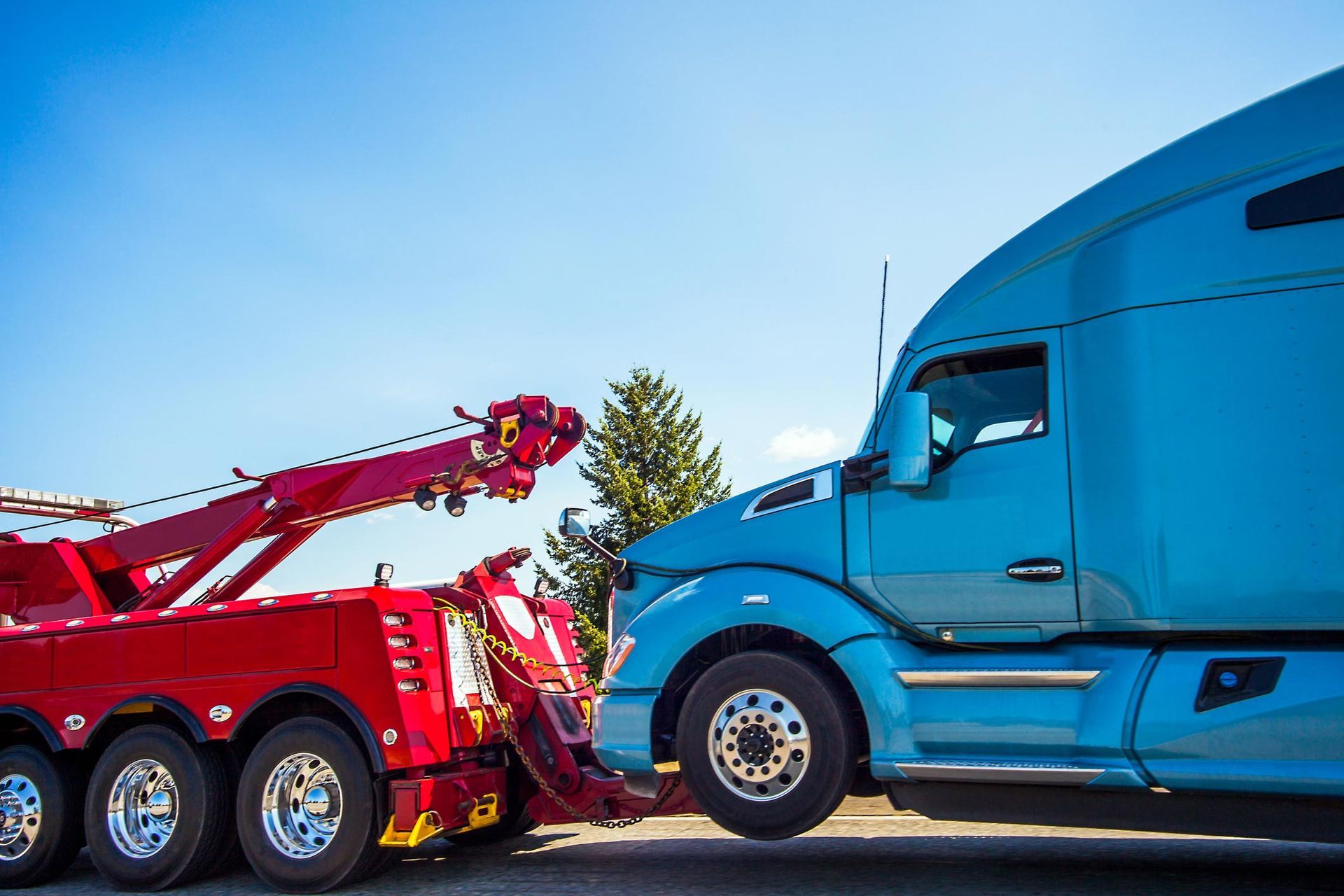
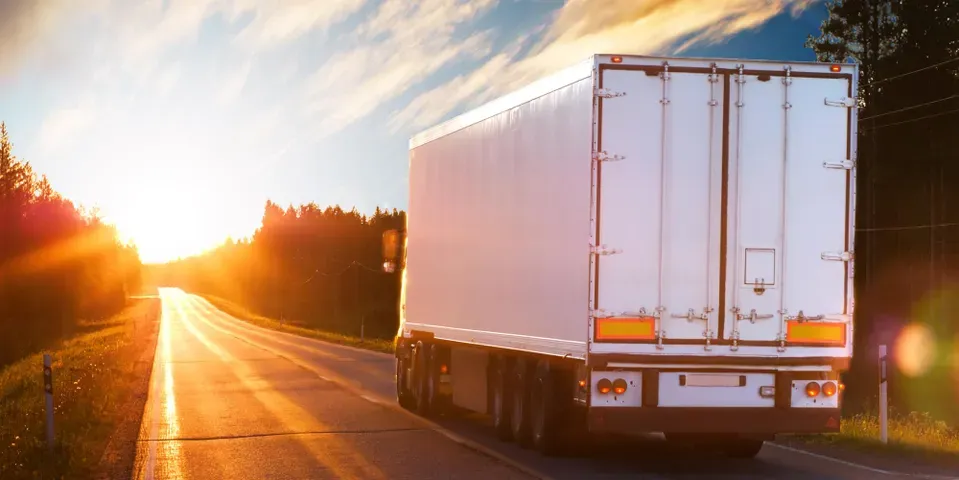
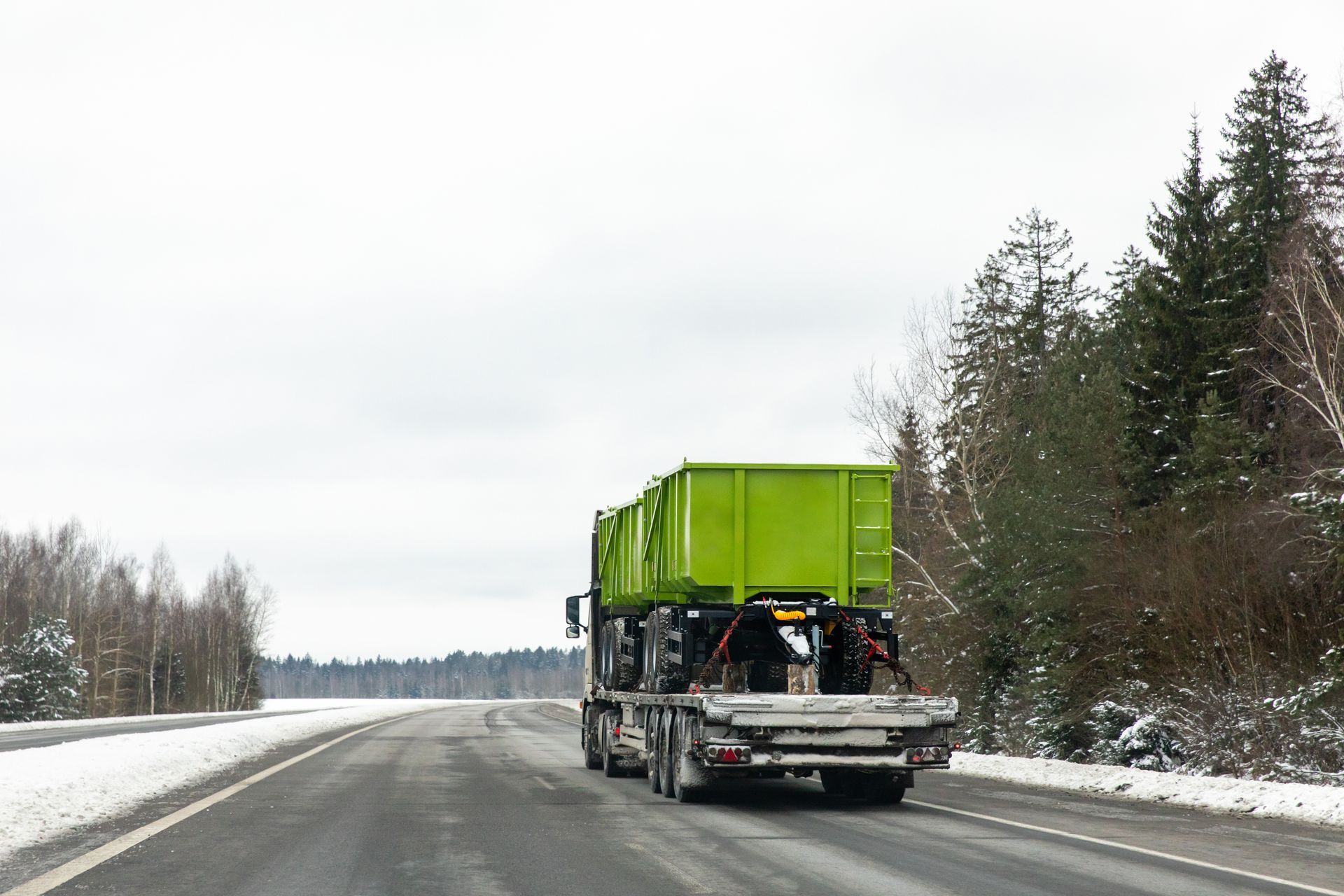
Heavy duty towing covers vehicles that exceed the weight and size limits handled by standard tow trucks. Semis, tractor-trailers, buses, large RVs, farm machinery, and fleet trucks all fall into this category. A heavy duty wrecker typically operates with capacity ranging from 30 to 100 tons, allowing it to upright overturned units, pull equipment from ditches, and transport oversized commercial vehicles safely.
The distinction matters because sending the wrong truck wastes time. A standard wrecker cannot safely lift or stabilize a fully loaded semi. Operators who specialize in heavy duty recovery carry the training and certifications to handle load shifts, rollovers, and cargo management in addition to the tow itself.
Why Black River Falls Sees High Demand for Heavy Duty Recovery
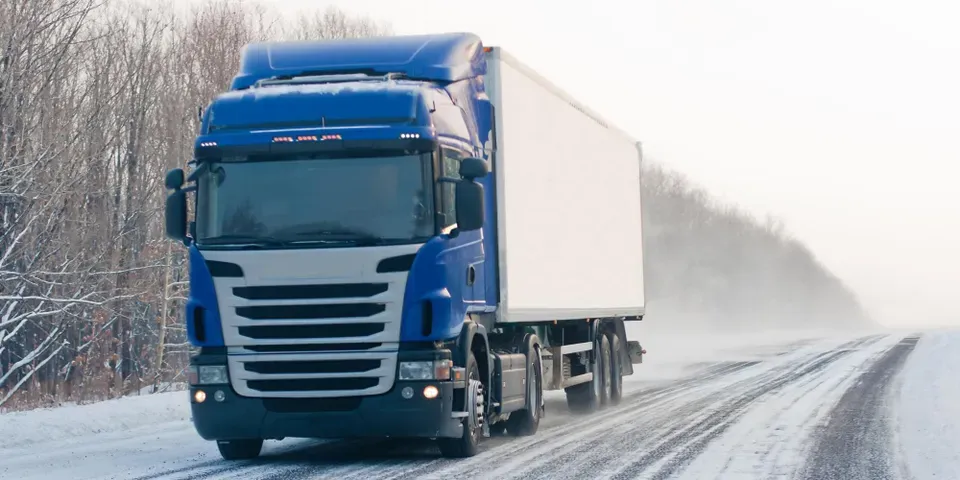
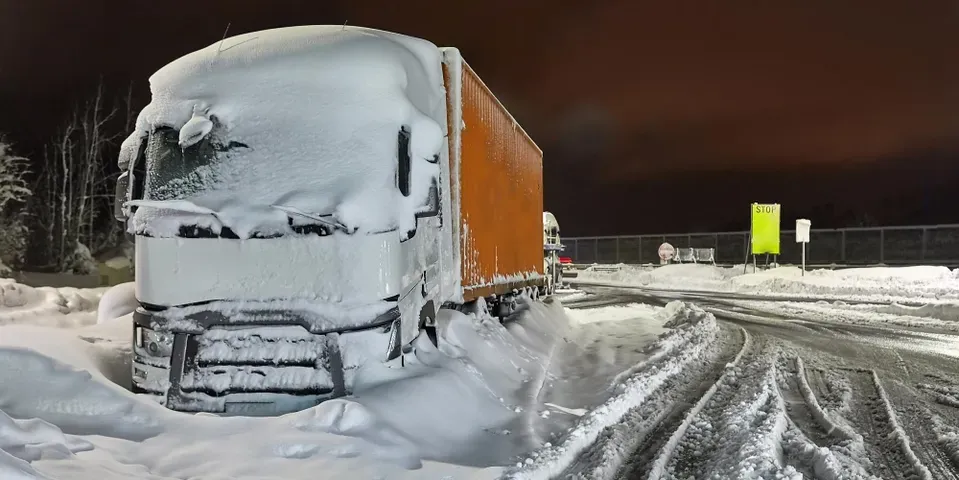
Interstate 94 cuts directly through Jackson County, making the Black River Falls corridor one of the busiest trucking routes in western Wisconsin. Semis haul freight between Minneapolis and Milwaukee along this stretch around the clock, year-round. Wisconsin winters add black ice and reduced visibility, while spring thaws can soften shoulder areas and increase rollover risk near exits and ramps.
Rural routes around Black River Falls also present challenges. County roads near Hixton, Melrose, and Alma Center sometimes see agricultural equipment breakdowns and oversize load incidents far from the nearest interchange. Recovery in these areas often requires winch-out capability and specialized rigging that standard operators do not carry.
How Does the Dispatch and Hookup Process Work?
When you call for heavy duty towing services near Black River Falls, WI, the dispatcher needs specific information before sending equipment. The process generally moves through these steps:
1. You call and provide your exact location, including mile marker, exit number, or cross street.
2. The dispatcher asks about your vehicle type, approximate weight, cargo type, and the nature of the incident.
3. Based on your answers, the team selects the correct wrecker and, if needed, a second unit for complex recoveries.
4. The operator arrives and assesses the situation before attaching any equipment.
5. If a load shift or cargo transfer is required, that happens before the actual tow.
6. The vehicle is secured and transported to a secure facility or your preferred destination.
If your cargo involves hazmat materials, inform the dispatcher immediately so the team can coordinate with the appropriate authorities.
What Should You Have Ready Before You Call?
Being prepared speeds up the dispatch and can reduce your total downtime. Before dialing, try to gather the following:
▸Your precise location, including direction of travel and nearest mile marker or exit.
▸Your vehicle's year, make, and model, along with its loaded weight if known.
▸A brief description of what happened: breakdown, accident, tire blowout, rollover, or stuck unit.
▸Your cargo type and whether it involves anything hazardous.
▸Insurance carrier and fleet account information if applicable.
▸A contact number where you can be reached while the truck is en route.
If you are on an active interstate like I-94, move away from traffic if it is safe to do so and activate your hazard lights. Do not attempt to move the vehicle until the operator assesses the situation.
Does Heavy Duty Towing Require Special Permits in Wisconsin?
Wisconsin may require oversize or overweight transport permits depending on the vehicle's dimensions and the route taken after recovery. Experienced operators are typically familiar with state permitting requirements and can advise you on what may be needed to legally move a unit from the scene.
What Happens to My Cargo During Recovery?
If the recovery involves a rollover or a shifted load, cargo often has to be offloaded before the vehicle can be righted or moved. A capable heavy duty towing provider can manage load transfers on-site, store cargo securely, and coordinate transport to a separate location if needed. Confirm this capability with your dispatcher before arrival.
Is 24/7 Response Available in the Black River Falls Area?
Yes. Reputable heavy duty towing service providers serving the Black River Falls, WI, area typically operate 24 hours a day, seven days a week, including holidays. Breakdowns and accidents on I-94 do not wait for business hours, and neither should your recovery team.
Ready to Request Heavy Duty Towing Services Serving Black River Falls, WI?
When you need a reliable team for heavy duty towing services near Black River Falls, WI, C. L. Chase 24 Hour Towing & Recovery has been serving the region since 1968 with wreckers capable of handling 30 to 100 tons. Their team operates around the clock with dispatchers ready to send the right equipment for semis, buses, RVs, farm machinery, and more across Jackson County and the surrounding area.
Call (800) 250-8557 any time of day or night to request service or ask about your specific recovery situation. You can also reach the team online through the contact page or learn more about what their heavy duty towing services cover before you call. For ratings, reviews, and location details, visit their Google Business Profile.